‘That’ time of the year has arrived once more. For many, the time to put the tools down and relax for a few days is nigh. From the hustle and bustle of public life, families are gathering. Some will celebrate the significance of Christmas, others will celebrate because any opportunity for a party with friends and family is a good one. Amongst it all, some will work on, especially in healthcare, emergency services, process manufacturing, retail and hospitality; we should not forget them for they too have family and friends.
I am one amongst many who carve out a little time and space towards the end of December to reflect on the year gone. Often, my mind is drawn towards relationships and experiences. This year is no exception.
- The re-emergence of people from the depths of the covid malaise has seen conversations about sustainability (and close cousins climatic change and ESG), stakeholder capitalism, and cyber security return to centre stage. These discussions are important, and boards cannot afford to ignore them. But boards should not be deferential to them either. The role of every board is to provide steerage and guidance, in pursuit of an agreed goal, having carefully assessed and taken into account the wider context within which the organisation operates. This is the craft of board work.
- The high level of polarisation and discord apparent across communities and nations, and between nations too, is disheartening. I'll not comment further; to do so would mean stepping into politics and nationhood, themes that seem to activate stridency and, at times, conflict. I am ill-equipped to debate the issues with confidence anyway! Regardless of what swirls around, I remain hopeful for the future, that cool heads and calm rational thinking will prevail.
- Many of the boards and organisational leaders I've spoken with in the past six months are concerned about the effects of geo-political turbulence and economic headwinds. They say they are active in their efforts to distinguish between signal and noise: monitoring the wider market closely, checking strategic priorities remain fit for purpose and operational plans are on track, and making adjustments where appropriate. Smart boards are also investing in both organisational resilience and themselves.
- And a personal item, with learnings for board work. An injury sustained in April (comminuted calcaneal fracture) resulted in various post-pandemic plans (notably, fulfilling international engagements) being put on hold. Thankfully, the recovery progressed without complication, although my patience was tested at times. By mid-September, I had sufficient mobility to travel internationally again. Now, nine months on, my shoes and boots fit once more, and I can do most things again, which is wonderful. The experience has provided many lessons, not only for me but also insights for boards and organisations. More on this in 2023 (or, get in touch if you have an immediate need for assistance).
Before signing off this last post for the year, a note of heartfelt thanks. Thank you to everyone who has seen fit to consider my ideas, challenge my thinking, and invite me to work alongside them this year. To have been afforded the opportunity to contribute, globally, has been delightful. The calling, to serve and support boards intent on realising organisational performance, remains strong. Consequently, the work will continue in 2023, starting in early January with responses to a long list of enquiries to assess, advise, coach and speak.
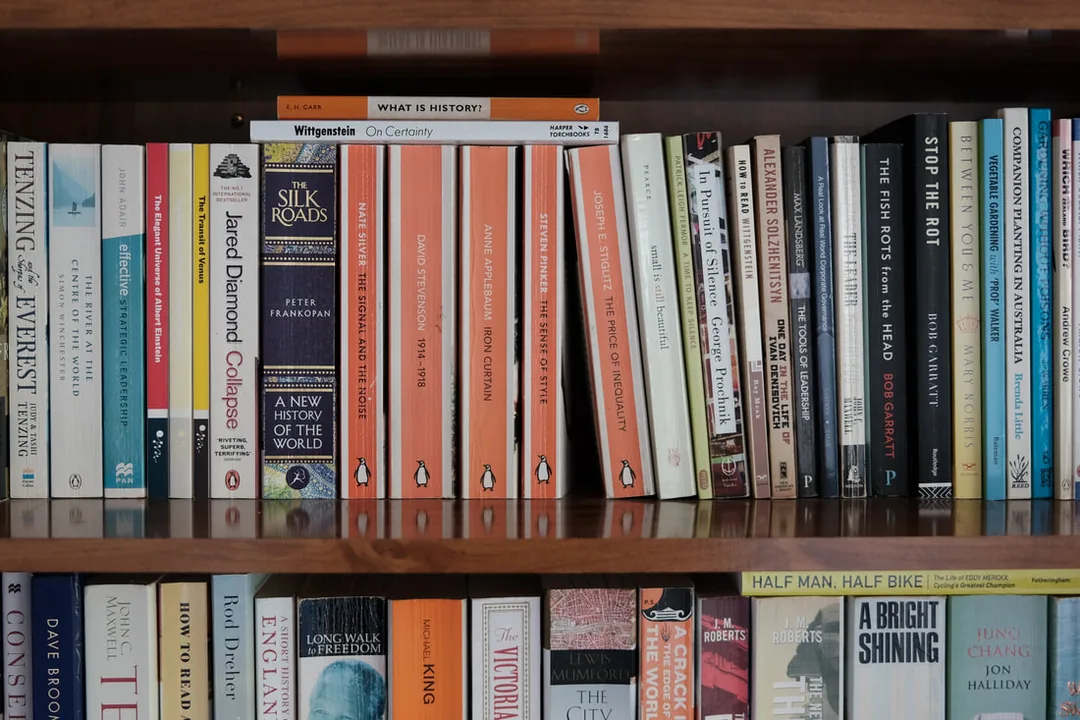
Now, I have one report to complete, a client event to attend, and a few Christmas errands to run. Then, I shall set the tablet and pencil down, in favour of a book or two, my vegetable garden, a few small jobs around the house, and some quality family time.