• Published on

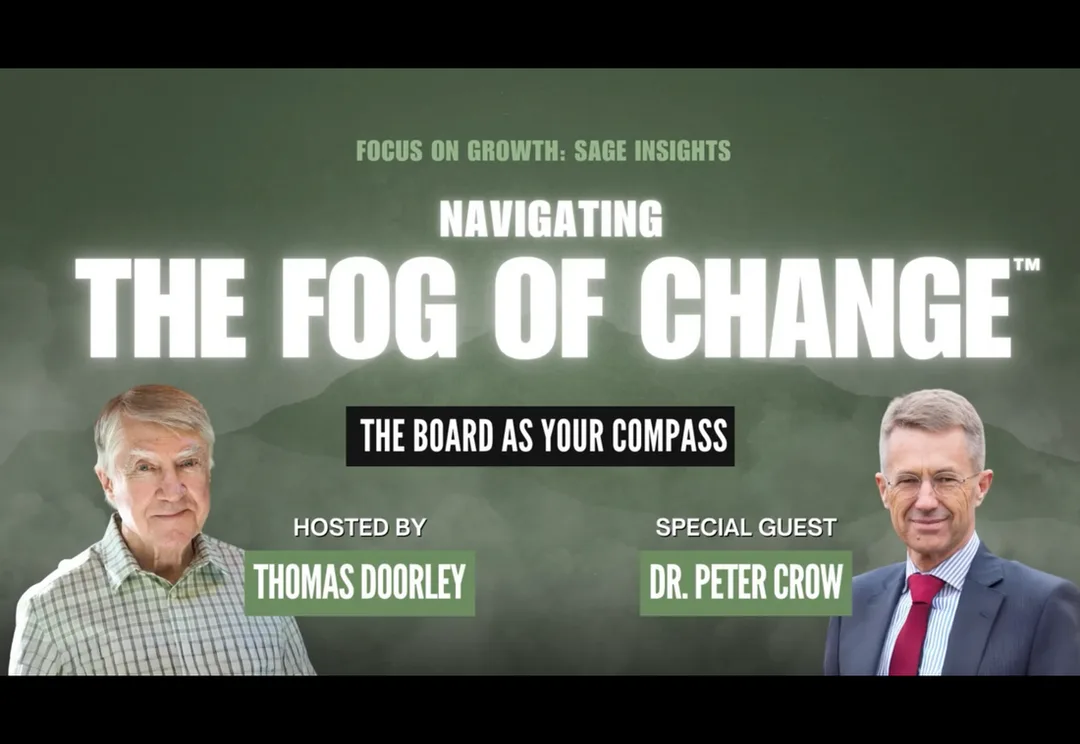
    On founder-led businesses and governance

    Do founder-led businesses always need governance, as many consultants, advisors, and governance professionals assert? 
    My response is straightforward: It depends.
    If, for example, the founder owns all the shares of the company, and is the only director, and runs the business day-to-day, then probably not. But, if the founder wants to grow the company further, and/or they do not want to make all the decisions themselves, and/or they lack some expertise to make good decisions, then it can make sense to gather some people around, appoint them as directors, and get the basics (of corporate governance) underway.
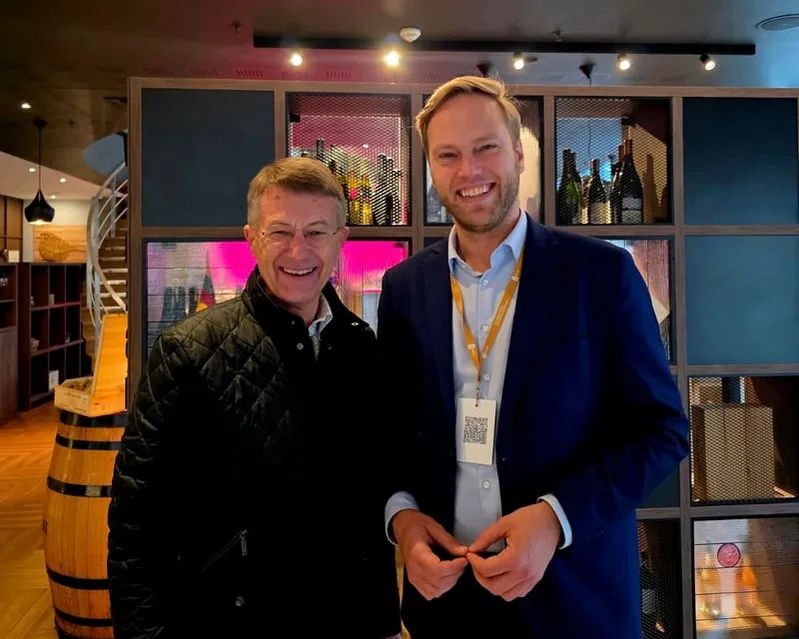
    I made the comments recently, during a wide-ranging conversation with Charlie Meaden, CEO of eccuity. If you would like to know where our 35-minute conversation went, grab a coffee and listen in.
    And, if you have any questions or feedback (critical or otherwise), do get in touch. I would be glad to hear from you.

  • Published on

    On complexity, prioritisation, decision-making

    Picture
    The onset of the latest war in the Middle East has captured the hearts and minds of political and business leaders, and the general population, around the world. The mainstream media is awash with coverage of military interventions and responses, and, now, the choking of the Strait of Hormuz. ​And this is reasonable, for the impacts on global commerce are being felt widely.
    That the situation is complex is axiomatic. But it is not a new phenomenon: the Middle East has been a hot-bed of disputes since biblical times. Muslims, Jews, Ottomans, Babylonians, Zoroastrians, and other groups including colonial powers have fought over land, water, and, latterly, oil, for a long time. If history is a reliable indicator, lasting peace will be difficult to achieve. 
    The situation is instructive for another reason too: the near-total focus on the subject. ​From mainstream media to business meetings, and in conversations around dinner tables and in local pubs and bars, the topic du jour is the Middle East War (an intentional descriptor, for the scope has long-since reached beyond Iran and Israel). Little else matters at the moment—or so it seems. And yet other battles continue around the world, in Ukraine, Afghanistan, Pakistan, and elsewhere; the climate continues to change; China’s influence continues to rise; and the impacts of Brexit and Covid continue to be felt, despite fading memories. 
    That events beyond the Middle East War are not being widely discussed does not mean they have gone away or are no longer relevant. 
    The parallels for boards and business leaders are stark: That which is front-of-mind dominates the mindshare. However, just because risks are not discussed does not mean they are not present. Boards that ignore complexity and dynamism do so at their peril. To wit, how often does your board allocate time to consider carefully still-weak signals, strategic risks, various scenarios and interdependencies? In times of great change or disruption, “At every board meeting” is a good answer. 
    If boards are to have any hope of governing with impact amidst complexity, directors need to be on their game. That means preparing well (understanding extant risks, emerging developments, and interdependencies); being actively engaged and decisive in meetings (includes prioritising where and how limited resources are applied); and holding fast to the tenet of collective responsibility after a decision is made. 
    Directors who keep alert and maintain a strategic mindset are more likely to detect still-weak signals, make smart decisions and, ultimately, realise the potential to the company they govern.
    And what is not to like about that?
  • Published on

    When time is up, act

    Picture
    These past few weeks, I have been acting as an envoy of sorts—a go-between to help tackle some problems that, ultimately, seem to come down to strained relations between shareholders, directors and senior management. While one case is playing out in a rapidly-growing PE-funded entity, and the other in a smaller enterprise, the situations are remarkably similar: the organisations appear to have outgrown the leadership capability of the CEO, and the board and CEO no longer see eye-to-eye.
    In one case, the leader is the founder; in the other, the CEO has led the entity for over two decades. In both, signs of Founder’s Syndrome are apparent. The cases are difficult because the CEOs have led well. But things have changed, and both deny they might be part of the problem, much less that leaving might be the best option for the organisation.
    The cases are proving insightful reminders for me—not only as examples of the destructive impact when behaviours turn negative, but of something most decent management and leadership courses teach: No one is perfect, and no one is indispensable.
    In contrast, consider the actions of these leaders:
    • Sir Rod Drury, founder of Xero and recently-named New Zealander of the Year, has been lauded for his entrepreneurial expertise and success. Yet he stepped away from executive leadership at Xero about a decade ago, and from the board in 2023. The business has not stalled or failed—it has grown bigger and better. 
    • George Washington, the first President of the United States, served for eight years and then retreated to Mt. Vernon, even though he was encouraged to remain President. 
    These men, both highly successful in their respective fields, knew something many chief executives and board directors miss: humility matters. When the time is up, act. Strive to leave on good terms. And, if you think it might be time, it probably is. Chances are, it might be one of the best leadership decisions you make.
  • Published on

    Towards great: governing with impact

    Picture
    In 2018, before mankind was tipped upside down by a global pandemic, the chattering class had been very active, responding vociferously as news of various corporate failures and missteps came to light. Carillion plc and the Institute of Directors (both UK), Steinhoff (South Africa), AMP (Australia), and Fletcher Building (New Zealand) were topical examples. The consternation and angst was palpable.
    That seemingly strong and enduring organisations were failing (or suffering significant missteps) on a fairly regular basis concerned many; for the societal and economic consequences significant. Many commentators (primarily, but by no means exclusively, the media) responded by berating company leaders (specifically, the board and management), placing ‘blame’ squarely at their feet. This is a reasonable: ultimate responsibility for firm performance lies with the board after all.
    Fast forward to 2026, what has changed? Well, if post-Covid failures are any indication, not much. The Post Office scandal in the UK, accounting firm PwC, and Port of Auckland (New Zealand), have been in the news for all the wrong reasons. Wilko (UK), GDK Group (Australia) and Du Val Group (New Zealand) are three amongst many that have collapsed under large debt burdens. Fletcher Building has suffered again too, which suggests it may not have learned from its earlier experiences.
    Amidst it all, calls for tighter regulation and stiffer codes abound. This, despite the geographical spread of corporate failures implying that local statutes and codes are probably not a significant contributory factor. Examples of compliance-driven responses include the King V code (South Africa), ISO 37000 standard (global), and Better Boards Act proposal (UK).
    The responses of boards I have been invited to sit with in recent months have been telling: some have circled the wagons, to defend against accusations that they may have been negligent; some have diverted blame elsewhere, such as, management or regulatory burden; and, some board directors have simply walked away, the burden too great.​ Others have decided that focussing attention on what matters (engaging strongly, in pursuit of sustainable performance), is what matters most.
    Given the chatter in business and social circles, and in the media, it would be easy to join in; to berate all and sundry. But let’s not go there. Instead, it is probably more productive to identify activities and behaviours that may have contributed to the situations, in search of learnings:
    • The role of the auditor: Most if not all of the firms mentioned above were attested by their respective auditors to have been reported accurately and operating satisfactorily. Yet, clearly, some were not. Whether the auditors were in cahoots with management, or the board; failing to discharge their duty to provide an accurate and impartial  assessment; or, even, inept, is a matter of speculation in most cases. Regardless, something in the audit world is amiss. To date, few commentators have called out the audit profession as being an accessory.
    • ​​Business knowledge: Remarkably few of the directors of the companies identified here seem to have understood the business of the business they were governing at the time. Often, directors are recruited for their technical skills (notably, legal and accounting expertise) or extant relationships. Relatively few had significant experience in the sector the business operated in. This is consistent with global research by McKinsey, which revealed one director in six possess relevant knowledge. How any board can make an informed decision when most of its directors do not understand the wider operating context well is perplexing.
    • Director engagement and behaviour: Most of the directors of the companies noted here had a classical conception of board work and engagement: They read their papers and attended board meetings, but did little else. The relationship with management was distant and aloof; directors rarely engaged with each other or the company between meetings; and they saw their most important contribution as being the hiring or firing of the chief executive—all characteristics of a board focussed on control, not governance.
    • Board involvement in strategy: The boards of all of the firms identified here relied heavily on management to prepare strategy. Directors backed themselves to ask questions and respond to proposals when they were presented. Some delegated strategy approval to management. While most directors appear to have been well-intentioned, the resultant outcomes tell the story. A heavy reliance on management is, clearly, unwise. What of “trust, but verify?” If the board is not involved in the development of strategy in some way, as researchers and commentators increasingly recommend, the likelihood of the board understanding what it is being asked to approve and subsequently providing adequate steerage and guidance is low.
    If boards are to learn from the failure cases noted here (amongst others), the first and, frankly, most pressing priority is to mitigate apparent weaknesses and focus on what matters. My research suggests that sustainably high levels of firm performance are possible, but they are contingent on several factors, including:
    • Ownership: The board is the apex decision-making authority in every company, meaning it is responsible making the very biggest decisions. Consequently, if the board is to have any influence over performance at all it needs to take responsibility, directly, for the big calls.
    • Purpose: If performance is to be achieved and sustained over time, all contributors need to understand their role and why it is important. Sadly, many directors bypass the ‘why’: they do not understand (and, therefore, cannot describe) why the company exists (activity trumps reason, it seems). Even if they can, directors often do not hold one view. Agreement on why the company exists—its purpose—is crucial: it provides the touchstone against which strategy is formed, all other decisions can be made, and performance assessed.
    • Strategy: Purpose alone is insufficient. Strategy is the course of action required to achieve the agreed purpose. While no one model (of strategy development) fits all situations, the board should roll its sleeves up and get involved in the formulation of strategy, together with management.
    • Effective boardcraft: This is the biggie. My article, Towards more effective corporate governance, paints the picture.
    Some commentators have suggested that the success of the board is entirely a matter of luck. I disagree. While outcomes are not guaranteed, my doctoral research and experience supporting boards across five continents suggests boards can exert influence beyond the boardroom, including on firm performance. However, this is contingent: they need to focus on ‘the right things’.
    Unless and until boards start taking their responsibility for the performance for the company seriously, the hope of much changing remains, sadly, dim. What is your experience?
  • Published on

    Reading, to refuel the heart and soul

    Picture
    The end of 2025 is nigh, which means that time of the year when many folk take stock and ponder the future is upon us. Some people use the time to scrutinise the year past closely and make resolutions, some pause and ponder, and others hardly blink. While the idea of New Year resolutions leaves me cold, I do think about my quest to become a better person. And, with it, I usually select a few books to read during the year ahead. For me, reading—typically, long-form books (hard copy, not on-screen)—is a valuable means of relaxing, reflecting, refuelling, and exercising my cognition. If the insights gained are useful in my work-life as well, that is a bonus. 
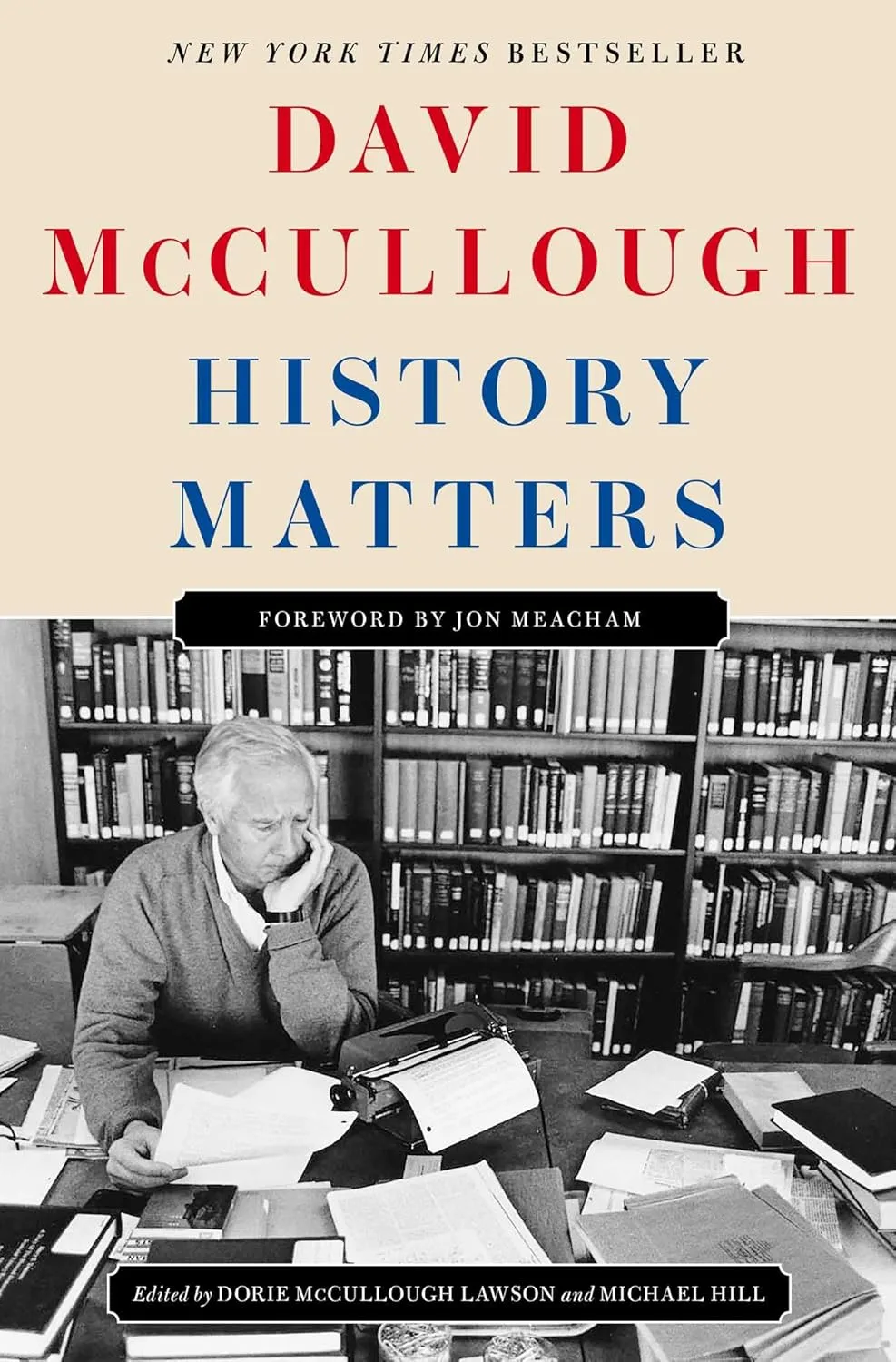
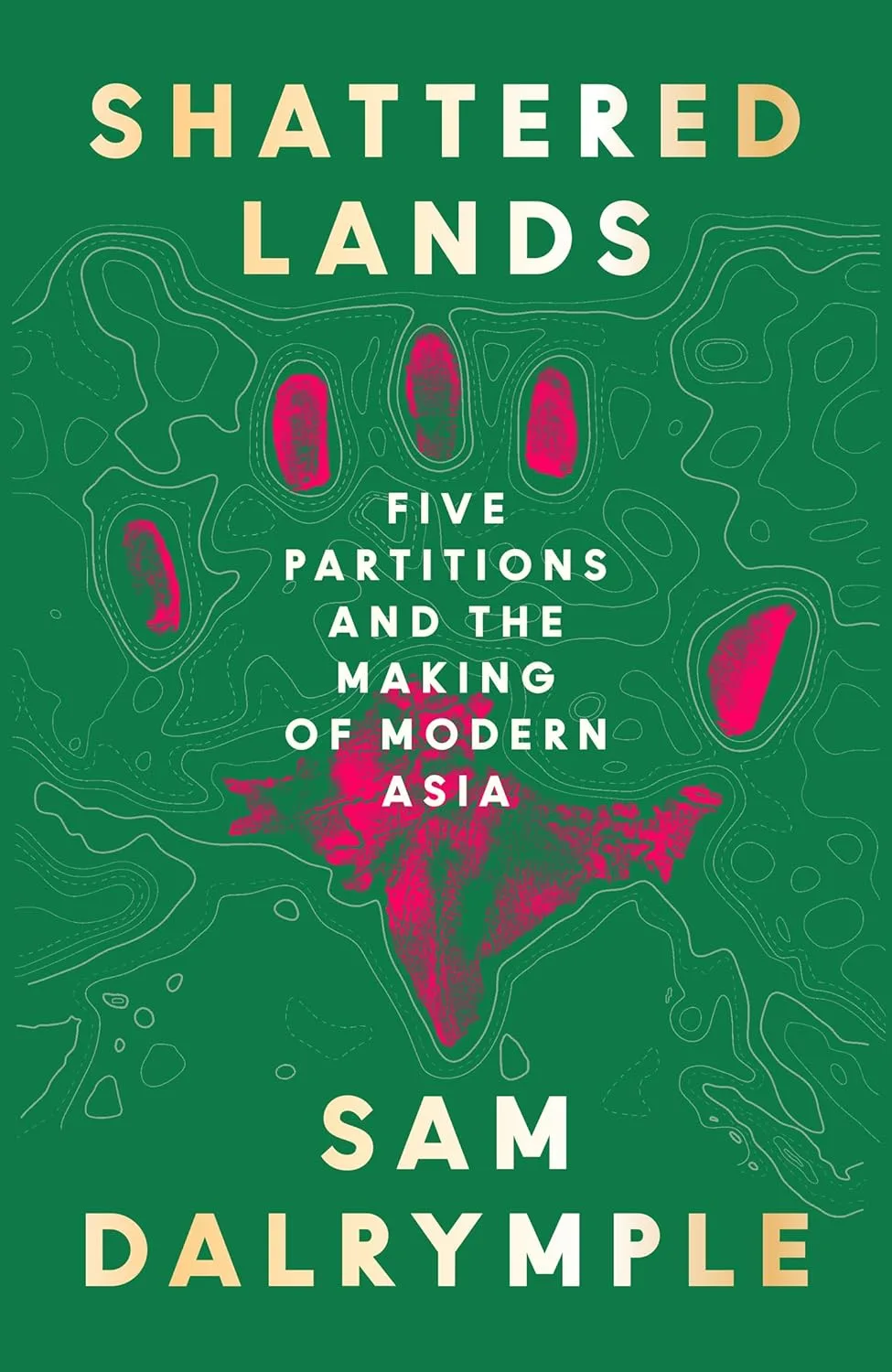
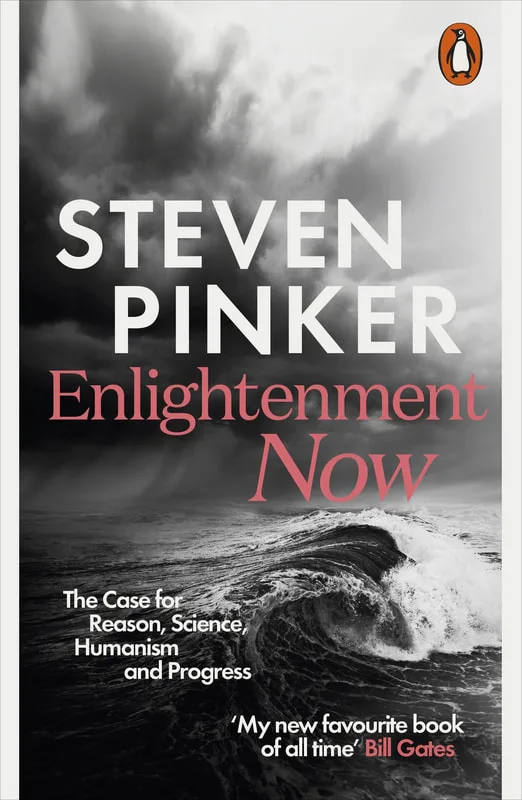
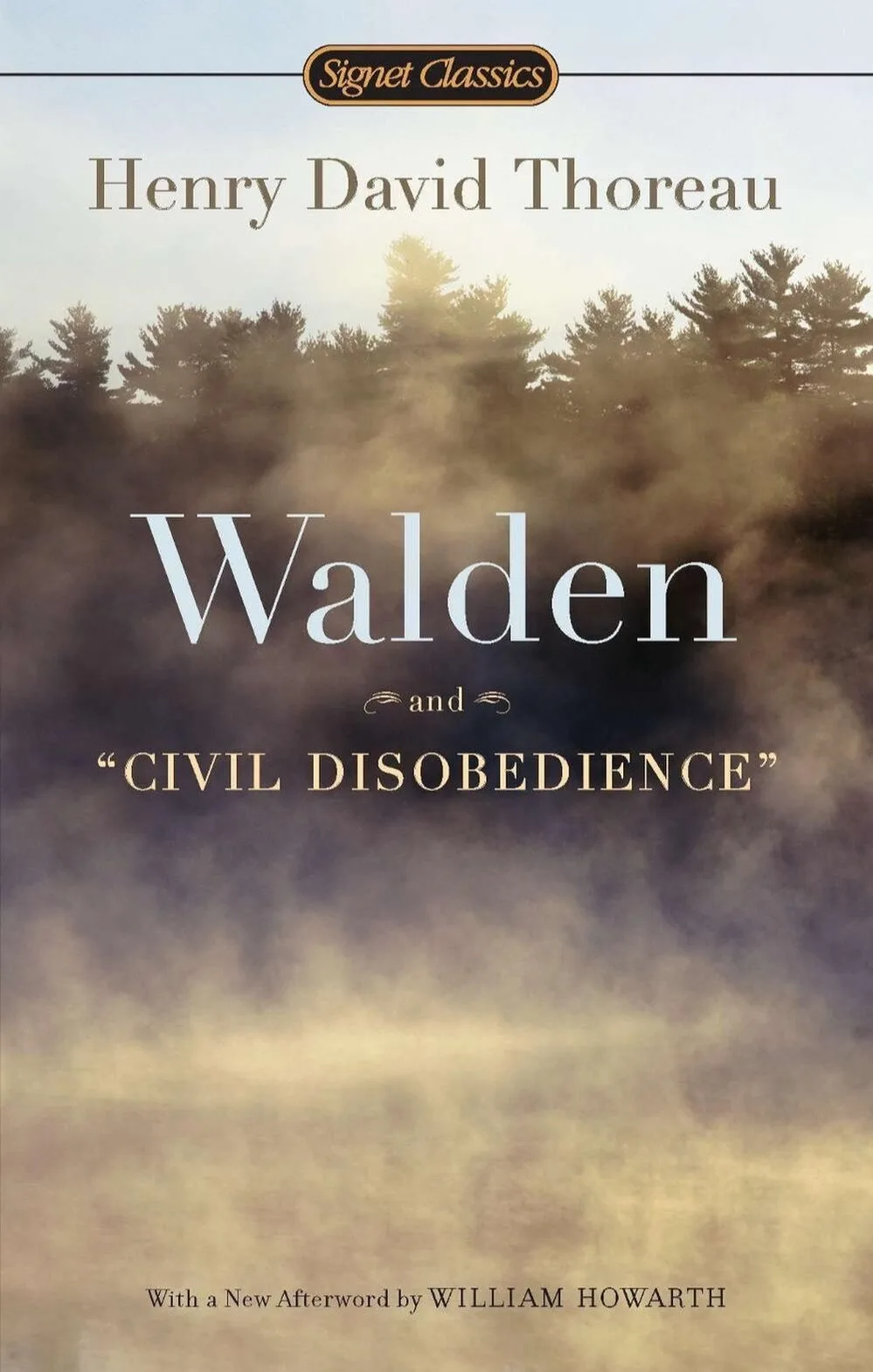
    This year, I have selected six books from my shelf, to tackle alongside a slow-reading project:
    Picture
    Picture
    Picture
    Picture
    Picture
    Picture
    My slow-reading project? Tolstoy's War and Peace. I intend to read one chapter a day, for 366 days.
    If you read, would you mind sharing what you have ahead of you, to inform my future choices?
  • Published on

    Gratitude matters, more than most of us realise

    Picture
    Today, Friday 19 December 2025, is—unless an unexpected call or email arrives—my last full work-day for 2025. So, with that, a few thanks are in order.
    Throughout 2025, I have had the good fortune to meet many people, on five continents—some well-known, others less so. And in so doing, I have listened, learned, been inspired by stories told, asked questions, and, I hope, become more well informed. Thank you for investing your energy in me.
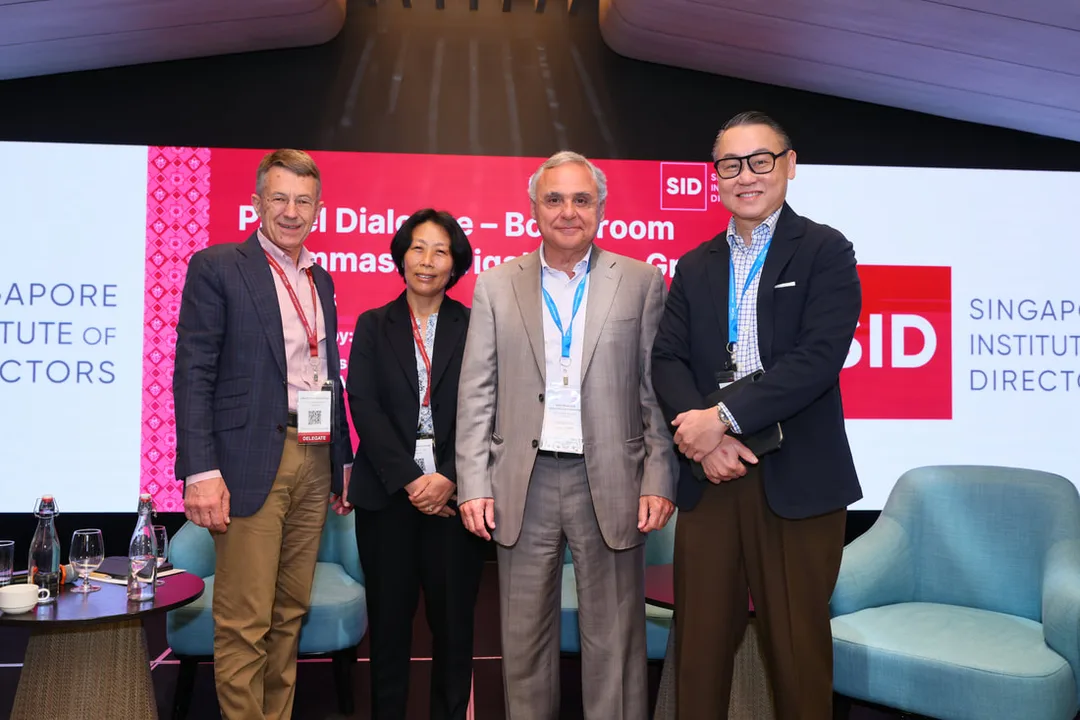
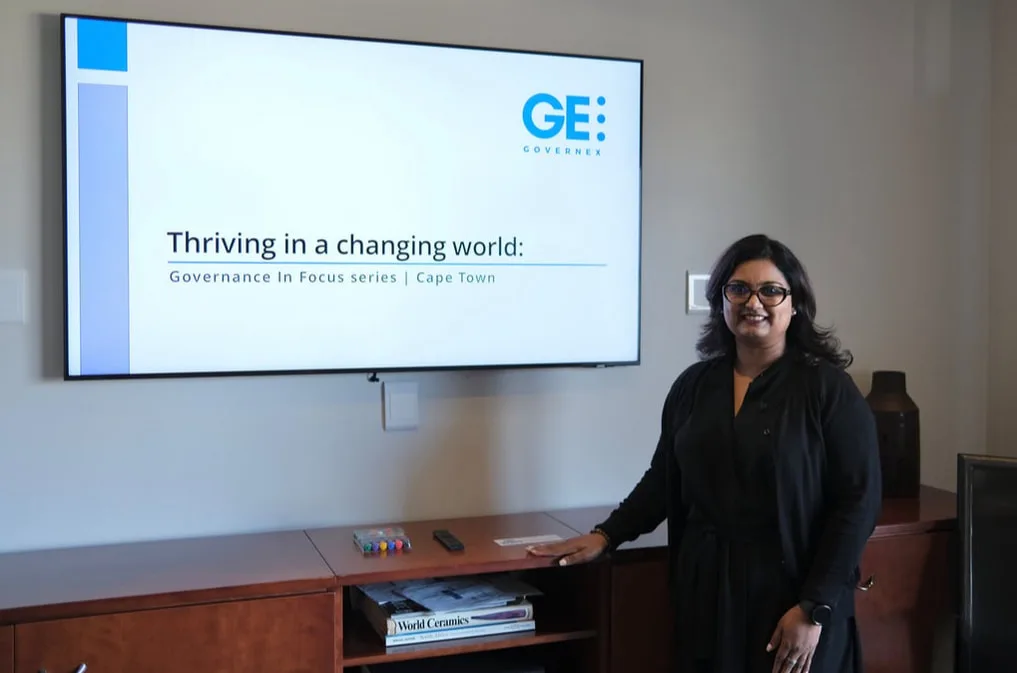
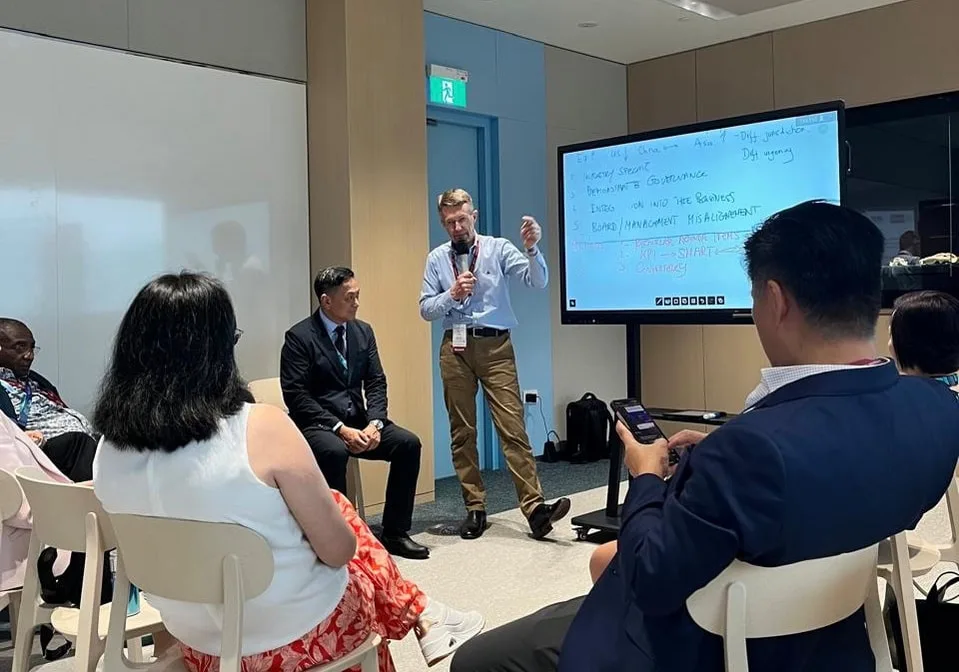
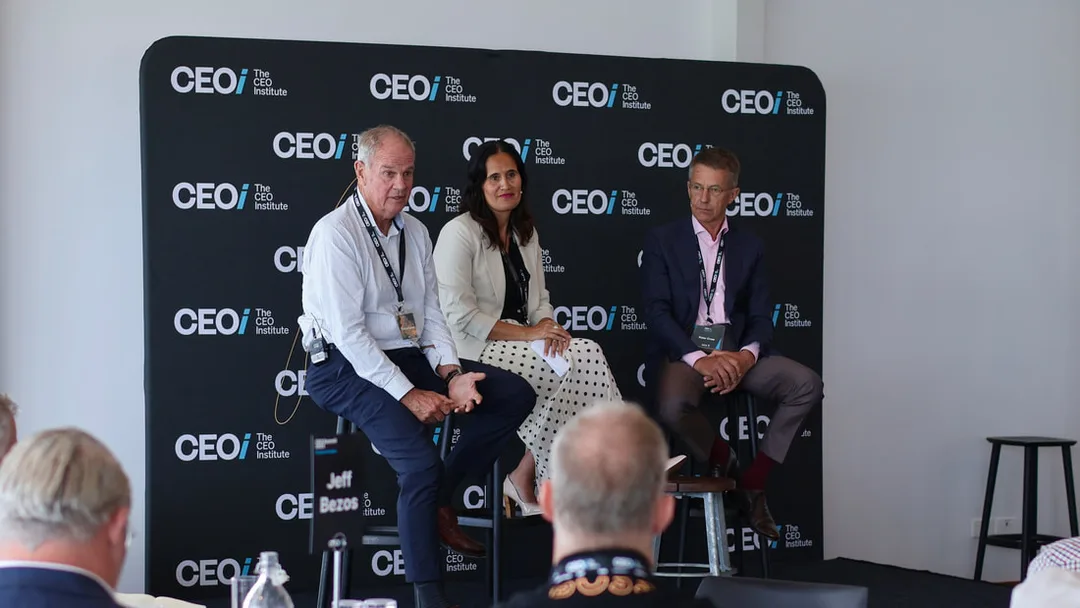
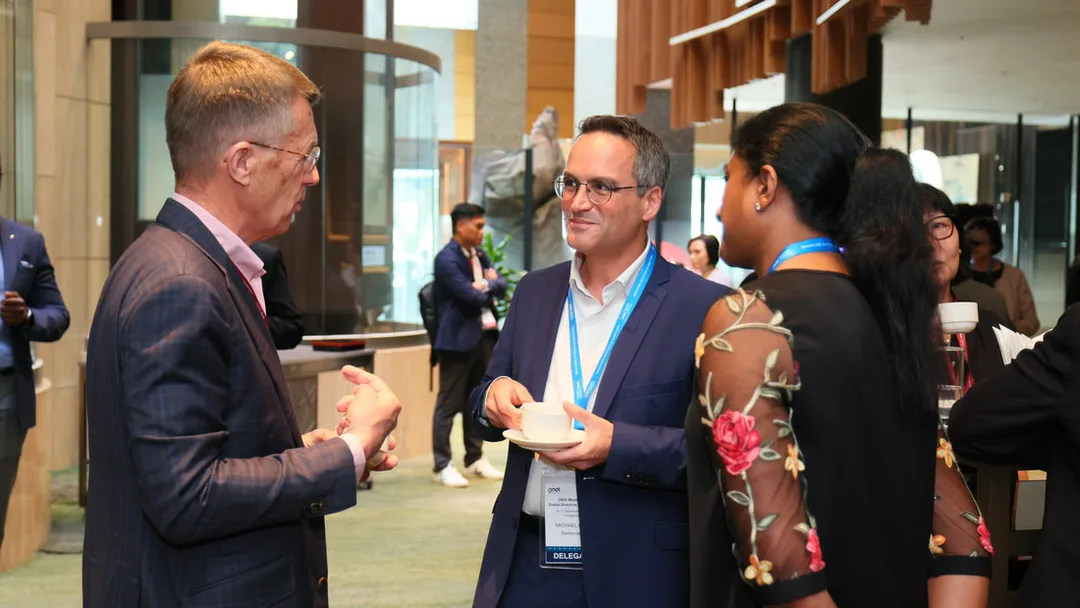
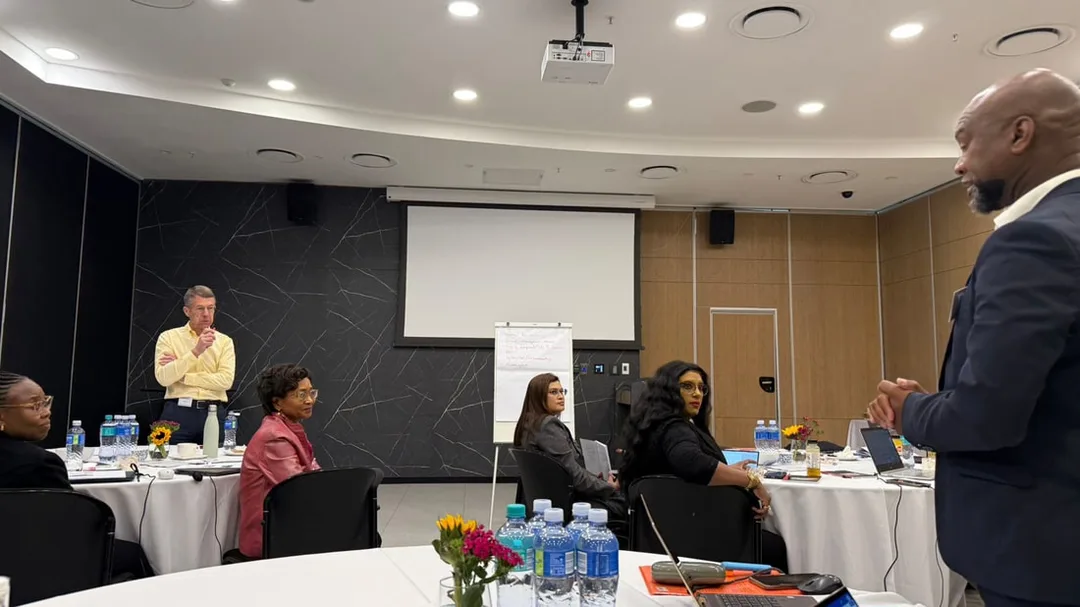
    The pictures below provide a glimpse into the places, people and interactions I have been privileged to experience in 2025. Many other interactions took place too, but they were private and cannot be shared.
    Now, and for the next couple of weeks, I shall turn my mind to reading(*) and relaxing, family, and tending my vegetable garden. 
    (*) Watch for a separate muse, to be posted on Monday 22 December, which will include the titles of the books I intend to read over the Christmas and summer break, and into 2026.
    Picture
    Vilnius, Lithuania
    Picture
    London, UK; Port of Spain, Trinidad and Tobago; Tauranga, New Zealand—from home office (!)
    Picture
    Singapore, Singapore
    Picture
    Tauranga, New Zealand
    Picture
    New York, United States of America
    Picture
    Cape Town, South Africa
    Picture
    Singapore, Singapore
    Picture
    Auckland, New Zealand
    Picture
    Singapore, Singapore
    Picture
    Johannesburg, South Africa
    Picture
    Boston, United States of America