• Published on

    Reading, to refuel the heart and soul

    Picture
    The end of 2025 is nigh, which means that time of the year when many folk take stock and ponder the future is upon us. Some people use the time to scrutinise the year past closely and make resolutions, some pause and ponder, and others hardly blink. While the idea of New Year resolutions leaves me cold, I do think about my quest to become a better person. And, with it, I usually select a few books to read during the year ahead. For me, reading—typically, long-form books (hard copy, not on-screen)—is a valuable means of relaxing, reflecting, refuelling, and exercising my cognition. If the insights gained are useful in my work-life as well, that is a bonus. 
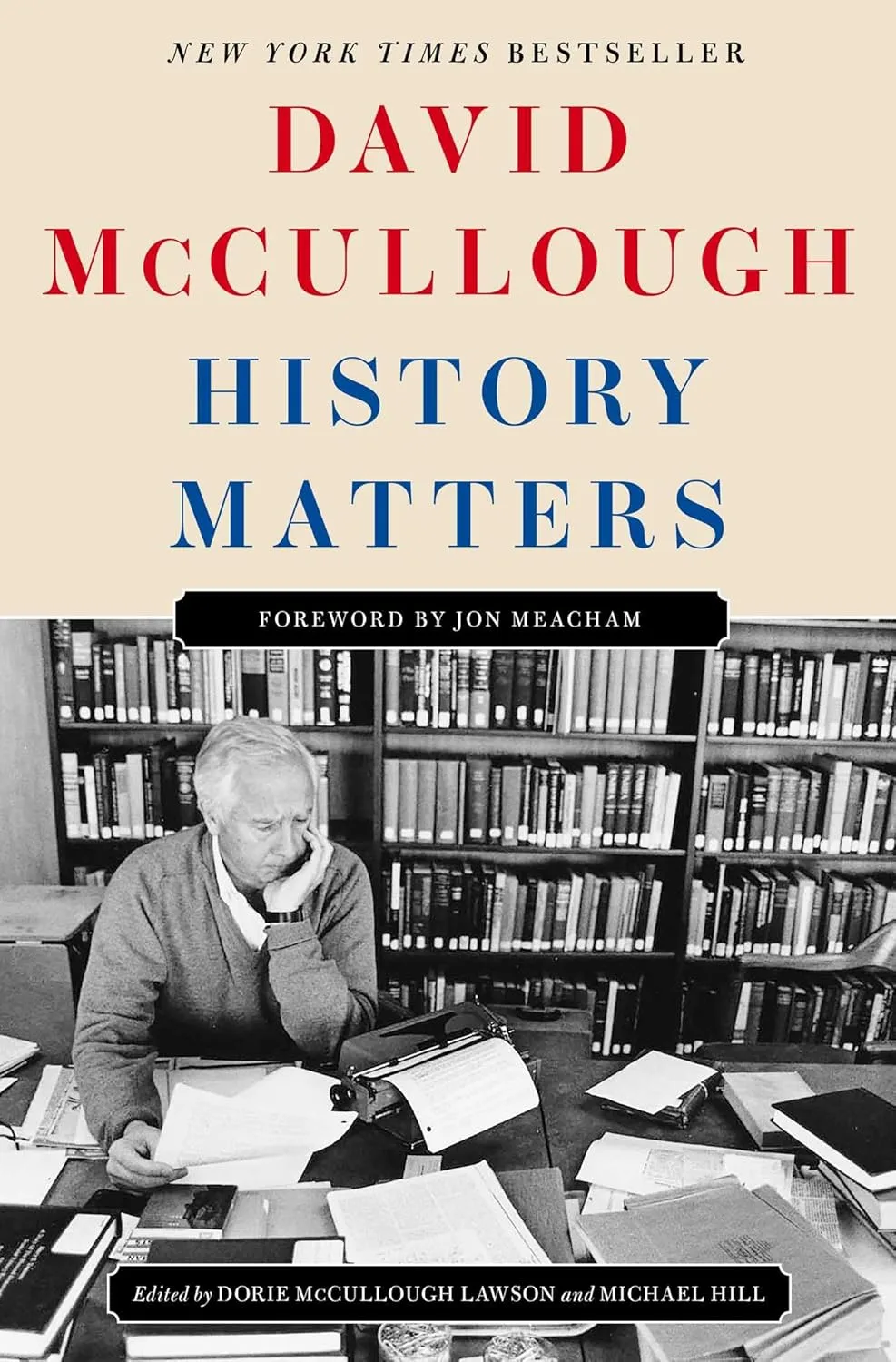
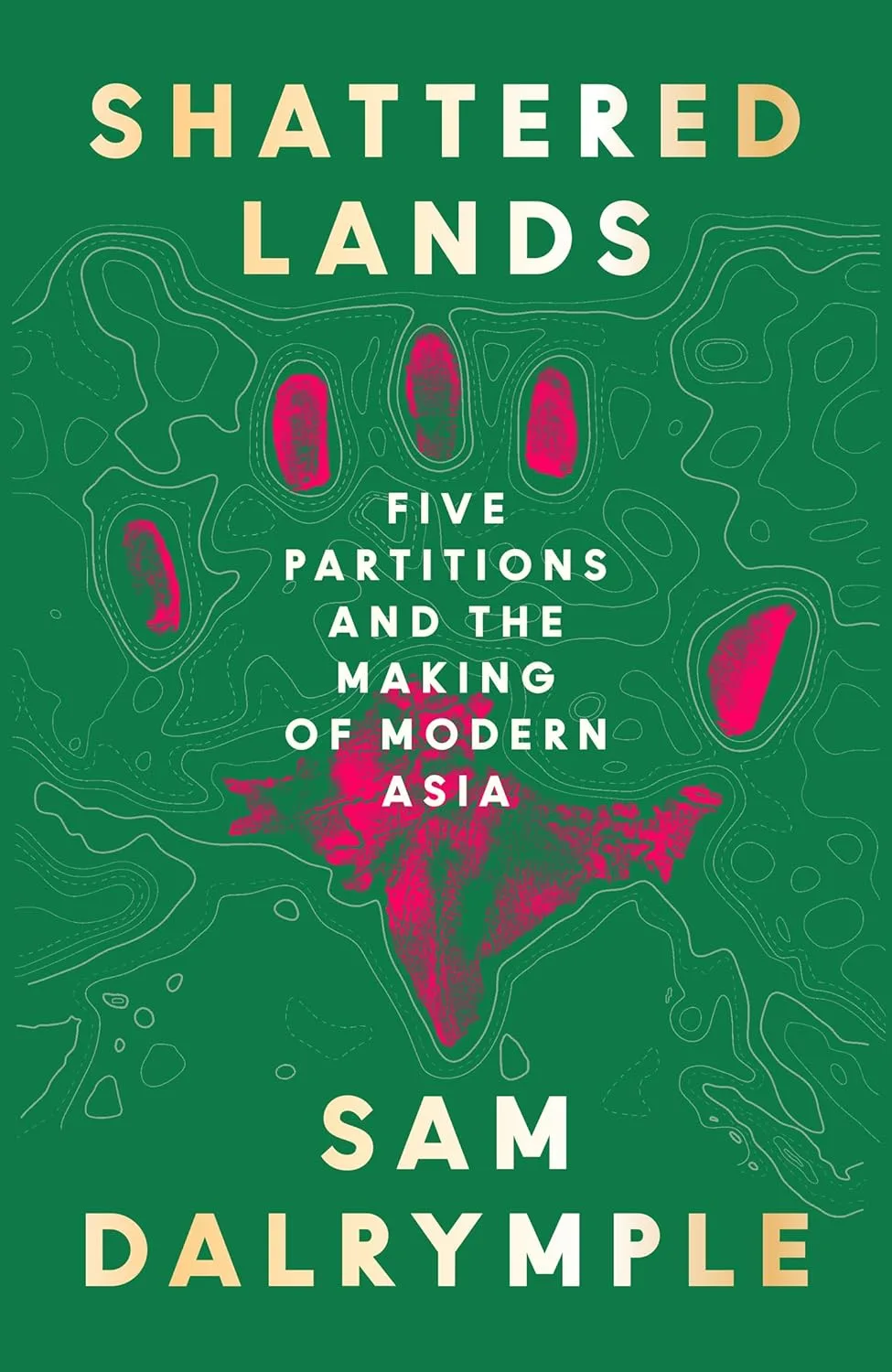
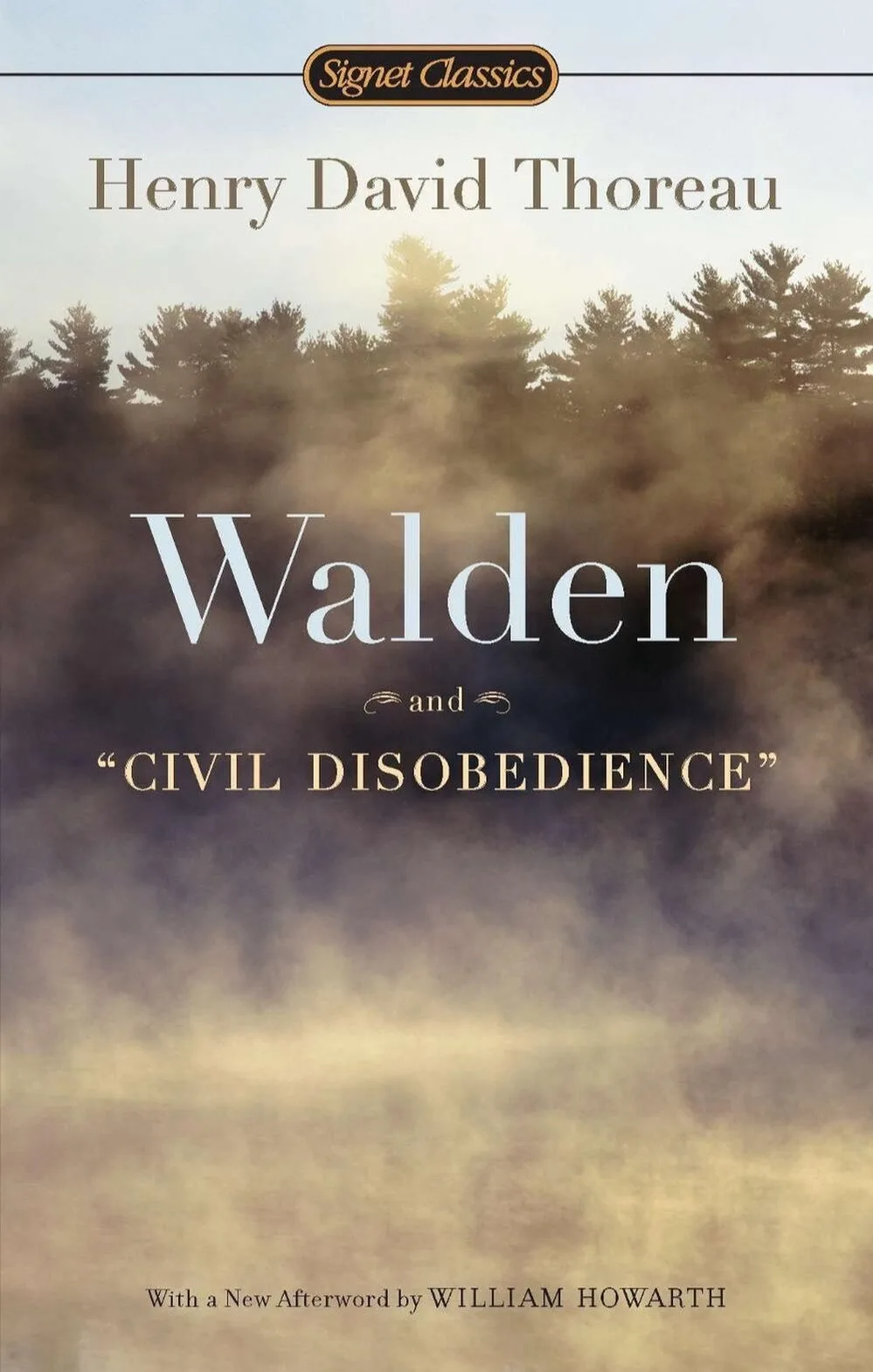
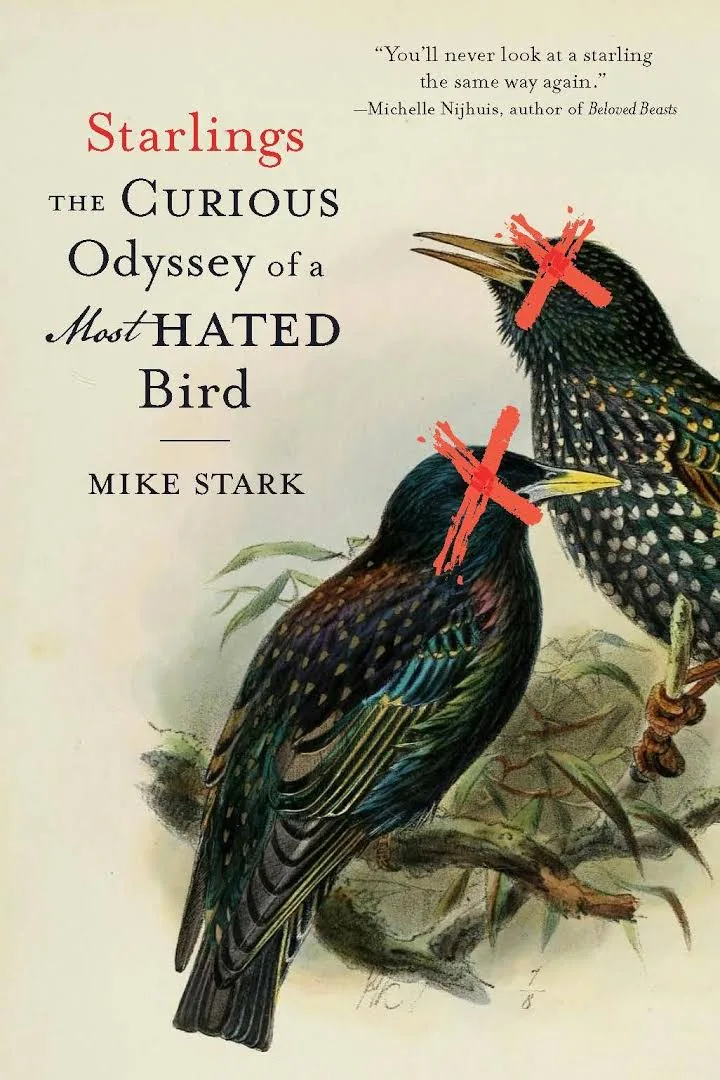
    This year, I have selected six books from my shelf, to tackle alongside a slow-reading project:
    Picture
    Picture
    Picture
    Picture
    Picture
    Picture
    My slow-reading project? Tolstoy's War and Peace. I intend to read one chapter a day, for 366 days.
    If you read, would you mind sharing what you have ahead of you, to inform my future choices?
  • Published on

    Taking notice, for context matters

    Picture
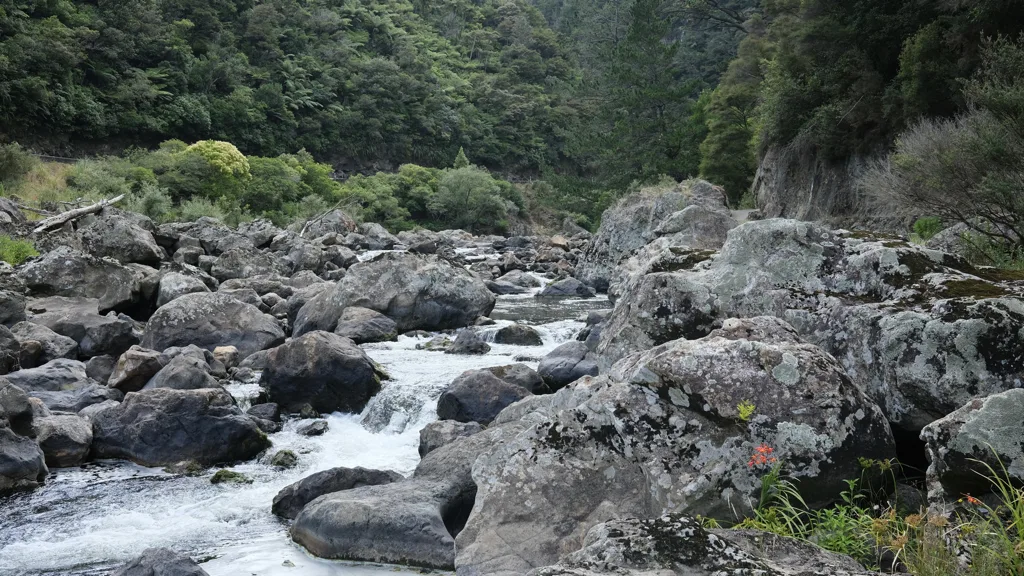
    I like exploring: old towns and villages, and the countryside; enjoying the landscape, clambering along trails and even into river beds to look more closely at flora and fauna. The pictures that form in my mind’s eye provide important context to understand the scene, and what may have gone before. Take the above image for example, a photograph I took a few weeks ago, having stepped off the path while walking towards a disused railway. This seemingly innocuous scene is of a fast flowing river, in a gorge. But more than that, it is just along from an abandoned gold mining settlement and an extraction plant (who knew?), and it has a name: the Ohinemuri River, this section is in the Karangahake Gorge.
    If the picture is studied more closely, details not apparent at first glance can be seen: plants in bloom, logs dumped from an earlier flood event, and an adjacent highway. Some details seem inconsequential, like the red blooming plant, others are far more significant (the river obviously floods from time to time, the gorge ‘hosts’ a major highway).
    Clearly, the act of looking ‘into’ the picture, not simply at it, reveals much. 
    And so it is with board work: to look beyond what is written in board papers, to consider what is not written, the wider context within which the company operates, and still-weak signals that may portend trends and potential disrupters is crucial, if the board is to secure a more complete understanding and, ultimately, make more informed decisions. While some boards behave as if such things do not matter, effective boards know better. They are alert to both macro trends and issues (this recent report, from INSEAD, offers helpful insight), and more immediate matters such as sales figures, staff engagement and customer satisfaction trends.
    When was the last time you scanned the horizon to understand the wider context within which the company you serve operates, and how long has it been since the board thought deeply about the future, and the various risks and opportunities that might effect the company and its prospects?
  • Published on

    Your turn: crowdsourcing Musings!

    Picture
    A few weeks ago, while facilitating a board masterclass at Naivasha, Kenya, I had the good fortune to see some local wildlife at close range. Some people consider walking in close proximity to wild animals to be dangerous, for it may portend harm or injury, but others embrace the activity with open arms.
    Thinking, that well-spring from which ideas and insights emerge, innovations are birthed, and humanity progresses and flourishes, is similarly polarising.
    One of the things I have been thinking about recently is quite selfish: What direction should I take my writing in 2024? Musings is nearly twelve years old (first entry was in March 2012, which coincided with my doctoral research efforts, and sharing of conference papers and articles). While the longevity makes it a rarity, my motivation has not changed. It has been to share thoughts on corporate governance, strategy and boardcraft; our place in the world; and other topics that catch my attention. Apart from the introduction of 'boardcraft', a word I coined in 2020, this overarching goal has remained consistent since day one.
    From humble beginnings, when entries garnered just a few readers, the blog is now widely read. Over the years, many readers have been graciously engaged in a discussion about a topical matter, or asked for help to realise potential. And that has been wonderful, thank you. ​And, as you might expect, some entries have garnered high attention; others less so. Readers seem to prefer pragmatic guidance over provocations or calls to think more deeply about something. Recent examples of the former include writings on questionschairmanship, and storytelling.
    Now, as we stand on the cusp of 2024, my hope is that Musings remains relevant and useful into the future. And with that, may I ask a favour? (Actually, provide an opportunity, to crowdsource Musings!
    What topics and style would ensure Musings remains relevant and useful as it moves into its teenage years? Do respond in the comments block below, or send me an email. And, thank you in advance.
  • Published on

    Taking time to read and to think, to re-charge

    Picture
    Twice this week, I have been asked about my reading and thinking habits. One enquirer wanted to know much time I spend reading and pondering insights garnered from various authors; the other whether I schedule [slow] thinking time. 
    Although neither asked explicitly, both enquirers seemed to assume that quiet time and the notion of reading widely are important to me. And, indeed they are. But, why?
    The practice of reading serves, I think, two inherent objectives: to maintain currency with trends and developments, and to become a better person. The objective is not to become a technical expert capable of regurgitating data and ideas (ChatGPT can do that), but a more holistic thinker—one who discerns problems and opportunities, considers them from different perspectives, asks appropriate questions and draws relevant conclusions. More succinctly, someone who leads a reflective life.
    May I propose something? To philosophise is to breathe. In my experience, and that of others who I have been fortunate to interact with, the ideas that emerge from the practice of philosophising provide a solid foundation for that which follows. And yet many business leaders and board directors claim to be too busy to take time to ponder (think about) possibilities that might lie below the surface or around the corner. Quite why such a (seemingly) bedrock activity is neglected is a curiosity to me; high quality thinking is an antecedent of effective leadership and governance, n'cest ce-pas?
    When people I interact with, especially friends and clients, say they see a better me (someone who is on top of his game, is nice to be around and who offers relevant and considered advice), such observations tend to coincide with a period of reading literature (or other so-called 'brainy' books) and thinking deeply about the questions posed by the authors. While comments like this are gratifying, they serve a higher purpose: to remind me to make time, regardless of what else is going on around me.
    (And, in case you are wondering, my answers to the enquirers were, "About 12–15 hours each week" and, "Yes.")
  • Published on

    Reflections, on a most interesting year

    Picture
    ‘That’ time of the year has arrived once more. For many, the time to put the tools down and relax for a few days is nigh. From the hustle and bustle of public life, families are gathering. Some will celebrate the significance of Christmas, others will celebrate because any opportunity for a party with friends and family is a good one. Amongst it all, some will work on, especially in healthcare, emergency services, process manufacturing, retail and hospitality; we should not forget them for they too have family and friends.
    I am one amongst many who carve out a little time and space towards the end of December to reflect on the year gone. Often, my mind is drawn towards relationships and experiences. This year is no exception.
    • The re-emergence of people from the depths of the covid malaise has seen conversations about sustainability (and close cousins climatic change and ESG), stakeholder capitalism, and cyber security return to centre stage. These discussions are important, and boards cannot afford to ignore them. But boards should not be deferential to them either. The role of every board is to provide steerage and guidance, in pursuit of an agreed goal, having carefully assessed and taken into account the wider context within which the organisation operates. This is the craft of board work.
    • The high level of polarisation and discord apparent across communities and nations, and between nations too, is disheartening. I'll not comment further; to do so would mean stepping into politics and nationhood, themes that seem to activate stridency and, at times, conflict. I am ill-equipped to debate the issues with confidence anyway! Regardless of what swirls around, I remain hopeful for the future, that cool heads and calm rational thinking will prevail.
    • Many of the boards and organisational leaders I've spoken with in the past six months are concerned about the effects of geo-political turbulence and economic headwinds. They say they are active in their efforts to distinguish between signal and noise: monitoring  the wider market closely, checking strategic priorities remain fit for purpose and operational plans are on track, and making adjustments where appropriate. Smart boards are also investing in both organisational resilience and themselves.
    • And a personal item, with learnings for board work. An injury sustained in April (comminuted calcaneal fracture) resulted in various post-pandemic plans (notably, fulfilling international engagements) being put on hold. Thankfully, the recovery progressed without complication, although my patience was tested at times. By mid-September, I had sufficient mobility to travel internationally again. Now, nine months on, my shoes and boots fit once more, and I can do most things again, which is wonderful. The experience has provided many lessons, not only for me but also insights for boards and organisations. More on this in 2023 (or, get in touch if you have an immediate need for assistance).
    Before signing off this last post for the year, a note of heartfelt thanks. Thank you to everyone who has seen fit to consider my ideas, challenge my thinking, and invite me to work alongside them this year. To have been afforded the opportunity to contribute, globally, has been delightful. The calling, to serve and support boards intent on realising organisational performance, remains strong. Consequently, the work will continue in 2023, starting in early January with responses to a long list of enquiries to assess, advise, coach and speak.
    Now, I have one report to complete, a client event to attend, and a few Christmas errands to run. Then, I shall set the tablet and pencil down, in favour of a book or two, my vegetable garden, a few small jobs around the house, and some quality family time.
  • Published on

    Reading through the seasonal break

    Picture
    I have the good fortune of meeting many hundreds of people every year—aspirational and established directors, board chairs, executives, journalists, shareholders, MBA students, doctoral candidates, lobbyists, regulators, policy analysts, conference organisers, and more besides. Sometimes, contact is fleeting; sometimes it is enduring, as we work together to gain insight, educate, or tackle a difficult problem.
    One question that keeps coming up (besides the big three, namely, what is corporate governance; what is the role of the board; and, how should governance be practiced) is, "How do I stay current and relevant?"
    The answer is straightforward. I read, a lot.
    Every morning—well, at least six days a week—I dedicate 90 minutes or more, to check newsfeeds, blog posts and emails that have arrived overnight. The primary goal is to ensure I have sufficient awareness to engage well with colleagues and clients on topical matters. Some people call this continuing professional development. I prefer a simpler description: reading to keep up.
    This commitment is, I find, a bare minimum because it does not afford space to read widely and think deeply about ideas, perspectives and the human condition. For that, I read books; sometimes in the evenings, but most often on flights and during holiday breaks. Why? Because I have time to think and mark (in pencil in the margin if a physical book, or electronic bookmark if an e-book) specific points to investigate further.
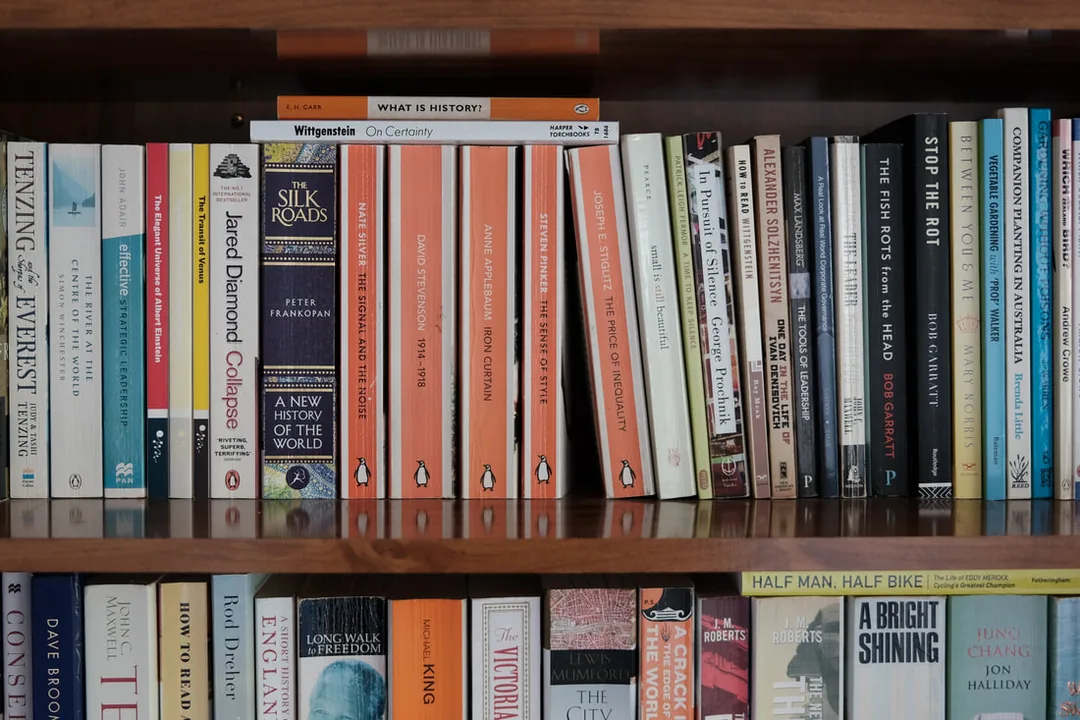
    Several people have asked what I'm reading. Here is a list of books either under way or to be read this summer break. Notice only one is directly linked to my board and governance work. That is intentional. Reading widely means, to me, reading beyond normal boundaries to discover new ideas and ways of thinking about things.
    This list is a selection of the books awaiting my attention. If you read, I'd love to hear any recommendations!
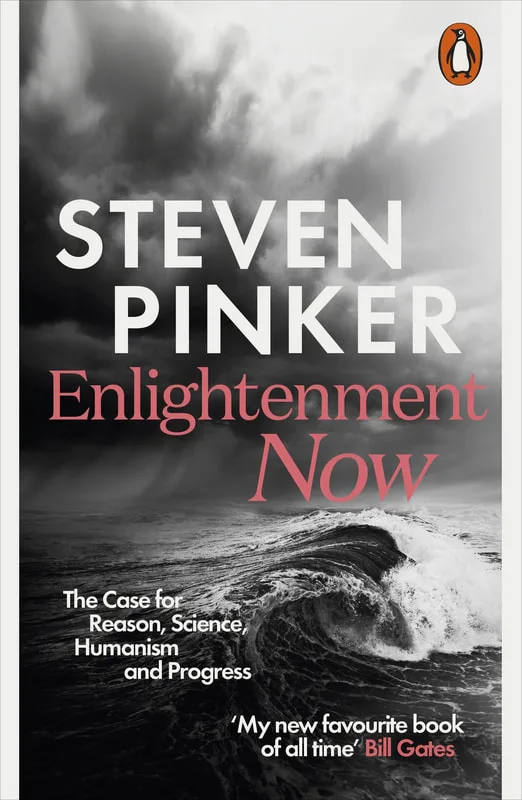
    Enlightenment Now
    Steven Pinker
    The Matter with Things
    Iain McGilchrist
    The Evolution of Corporate Governance
    Bob Tricker
    On Certainty
    Ludwig Wittgenstein
    SOE (Special Operations Executive)
    M. R. D. Foot
    Seven Pillars of Wisdom
    T. E. Lawrence
    Nine Quarters of Jerusalem
    Matthew Teller
    The Unbroken Thread: Discovering the Wisdom of Tradition in the Age of Chaos
    Sohrab Ahmari
    South
    Sir Ernest Shackleton