• Published on

    On founder-led businesses and governance

    Do founder-led businesses always need governance, as many consultants, advisors, and governance professionals assert? 
    My response is straightforward: It depends.
    If, for example, the founder owns all the shares of the company, and is the only director, and runs the business day-to-day, then probably not. But, if the founder wants to grow the company further, and/or they do not want to make all the decisions themselves, and/or they lack some expertise to make good decisions, then it can make sense to gather some people around, appoint them as directors, and get the basics (of corporate governance) underway.
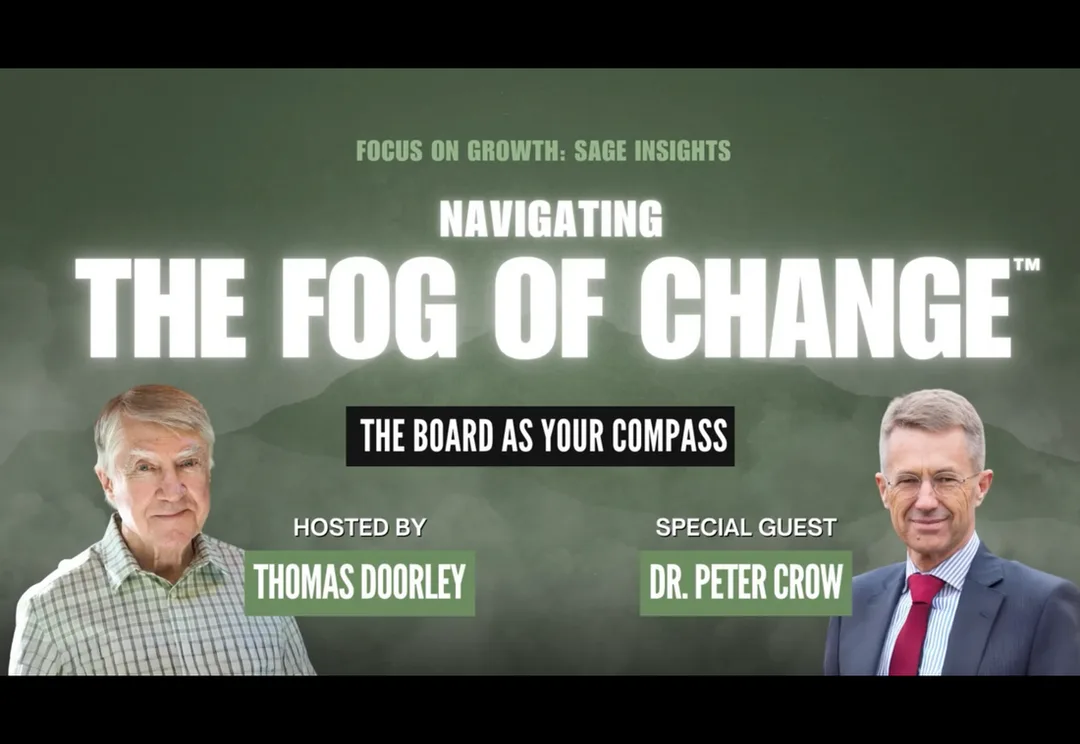
    I made the comments recently, during a wide-ranging conversation with Charlie Meaden, CEO of eccuity. If you would like to know where our 35-minute conversation went, grab a coffee and listen in.
    And, if you have any questions or feedback (critical or otherwise), do get in touch. I would be glad to hear from you.

  • Published on

    Reading, to refuel the heart and soul

    Picture
    The end of 2025 is nigh, which means that time of the year when many folk take stock and ponder the future is upon us. Some people use the time to scrutinise the year past closely and make resolutions, some pause and ponder, and others hardly blink. While the idea of New Year resolutions leaves me cold, I do think about my quest to become a better person. And, with it, I usually select a few books to read during the year ahead. For me, reading—typically, long-form books (hard copy, not on-screen)—is a valuable means of relaxing, reflecting, refuelling, and exercising my cognition. If the insights gained are useful in my work-life as well, that is a bonus. 
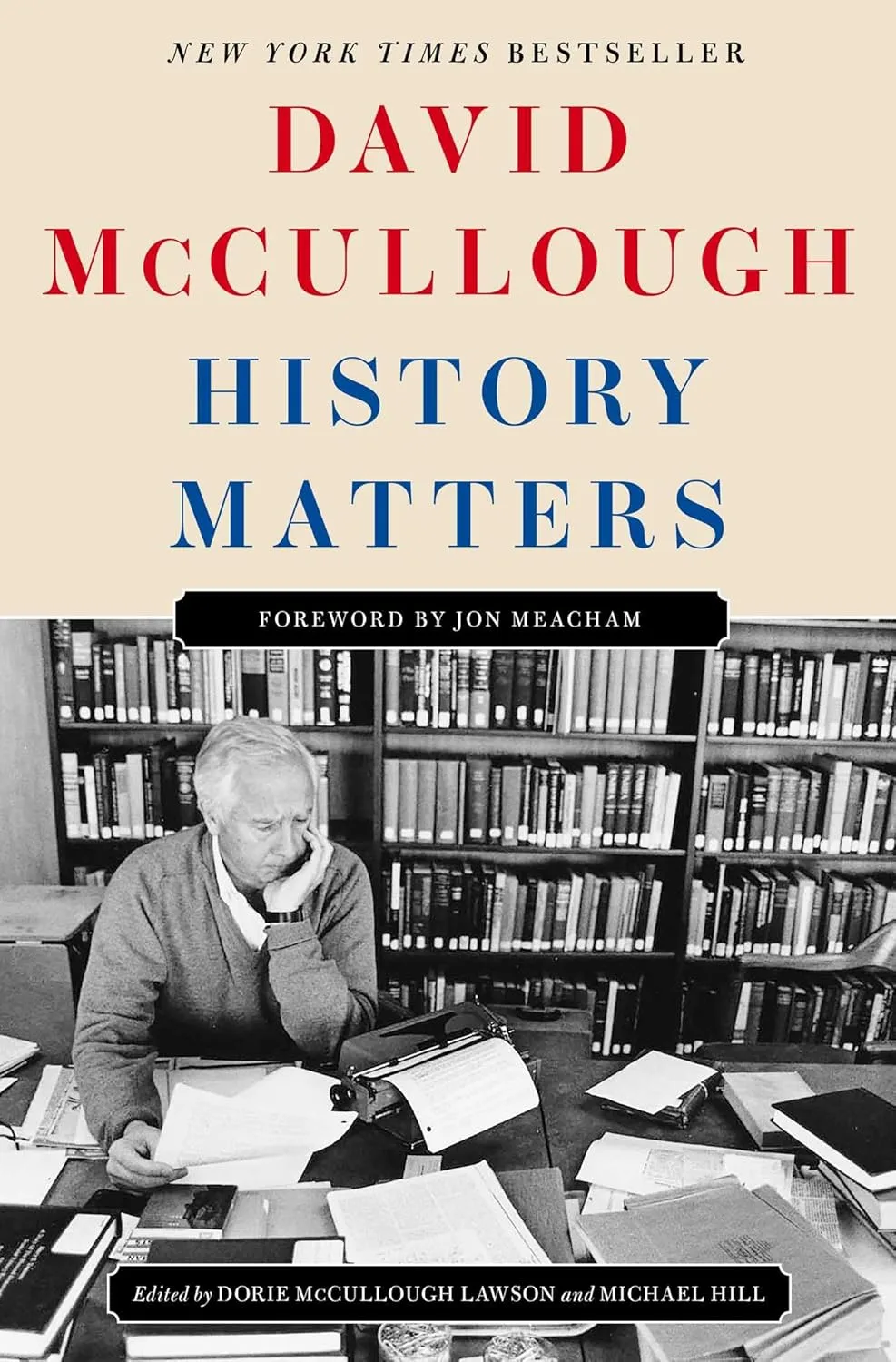
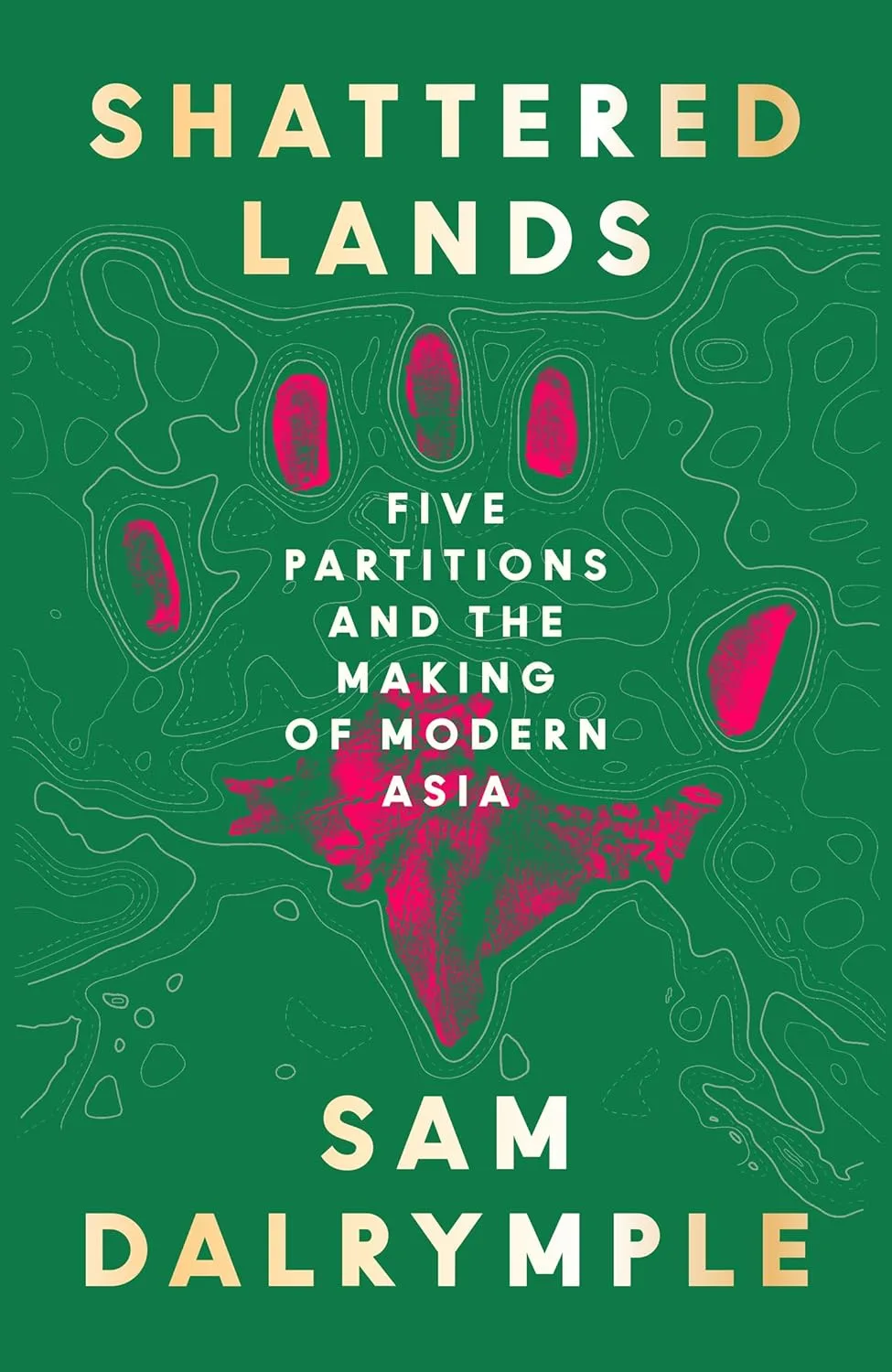
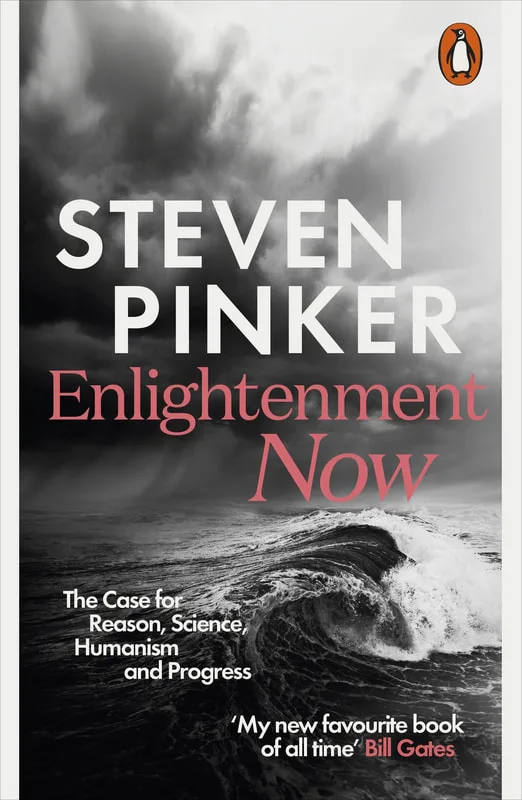
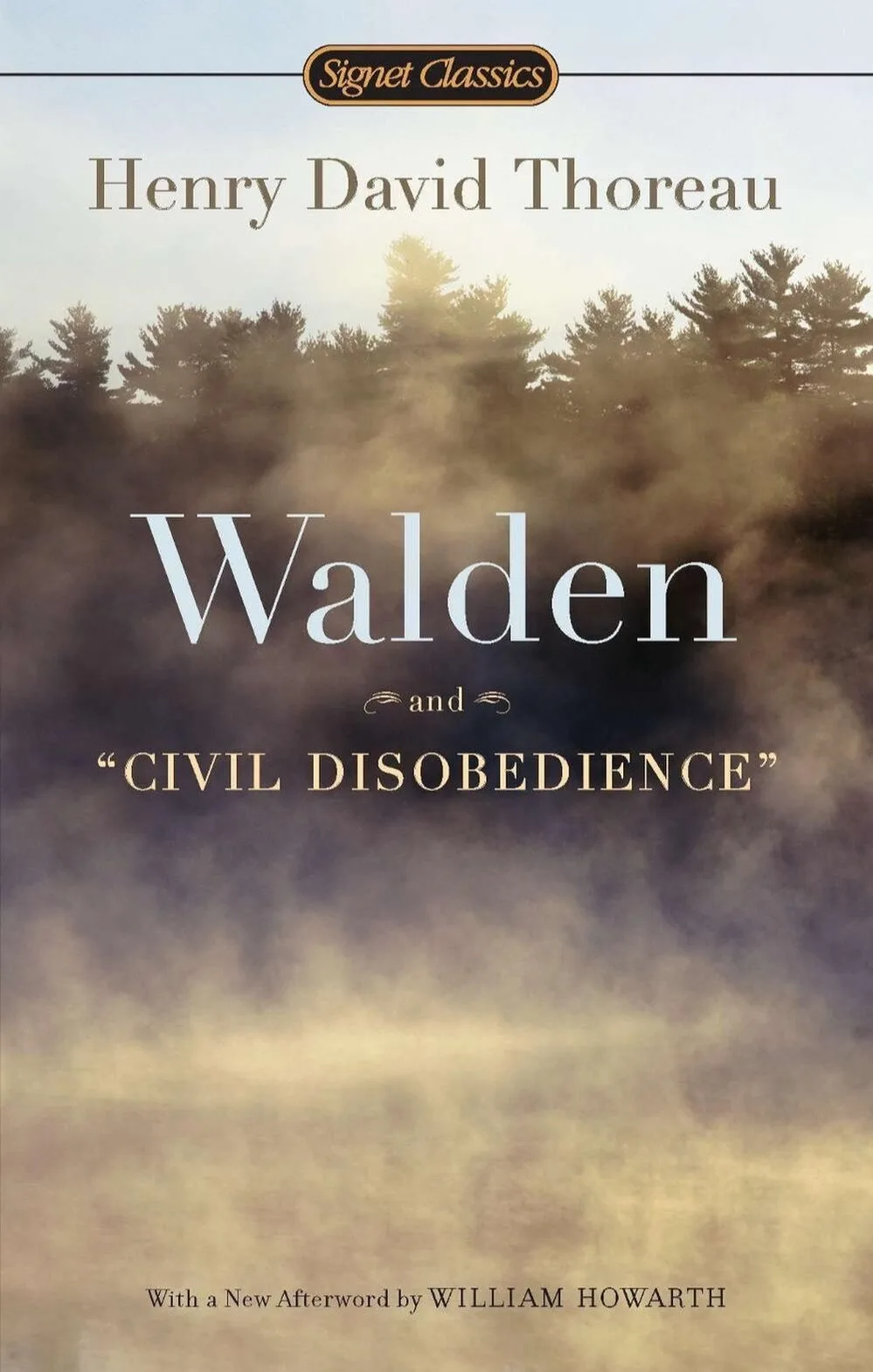
    This year, I have selected six books from my shelf, to tackle alongside a slow-reading project:
    Picture
    Picture
    Picture
    Picture
    Picture
    Picture
    My slow-reading project? Tolstoy's War and Peace. I intend to read one chapter a day, for 366 days.
    If you read, would you mind sharing what you have ahead of you, to inform my future choices?
  • Published on

    Gratitude matters, more than most of us realise

    Picture
    Today, Friday 19 December 2025, is—unless an unexpected call or email arrives—my last full work-day for 2025. So, with that, a few thanks are in order.
    Throughout 2025, I have had the good fortune to meet many people, on five continents—some well-known, others less so. And in so doing, I have listened, learned, been inspired by stories told, asked questions, and, I hope, become more well informed. Thank you for investing your energy in me.
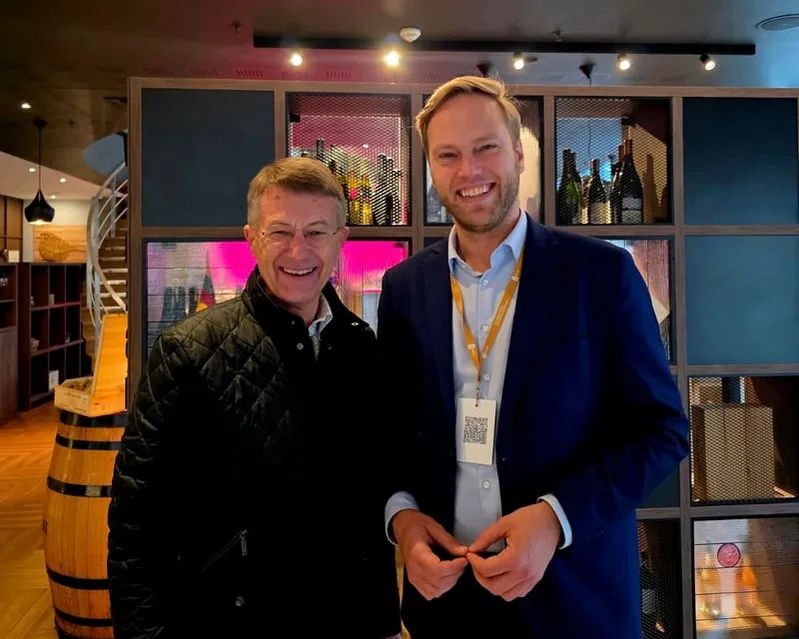
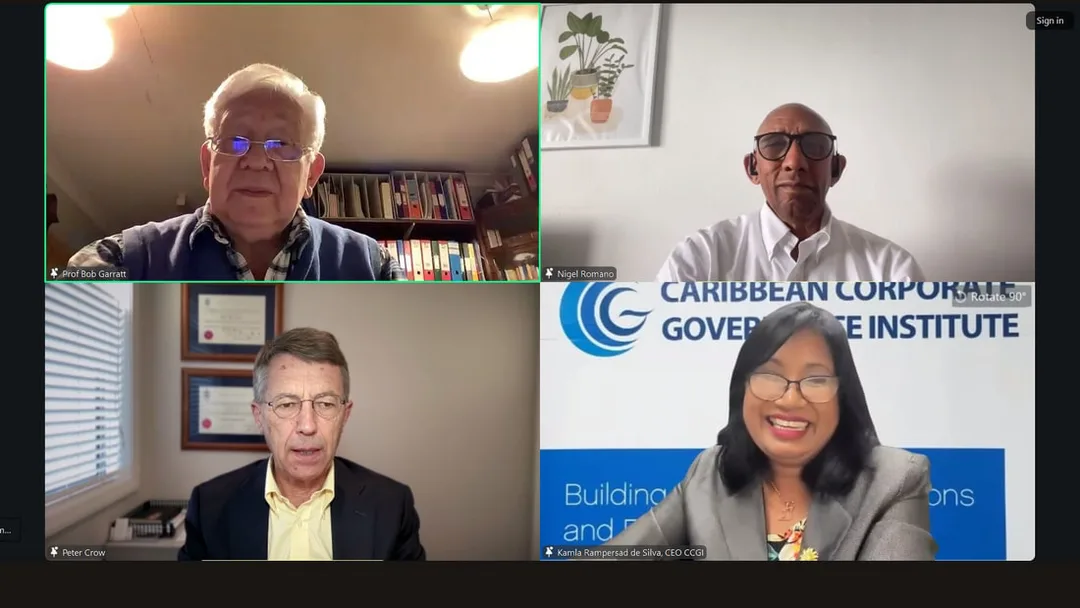
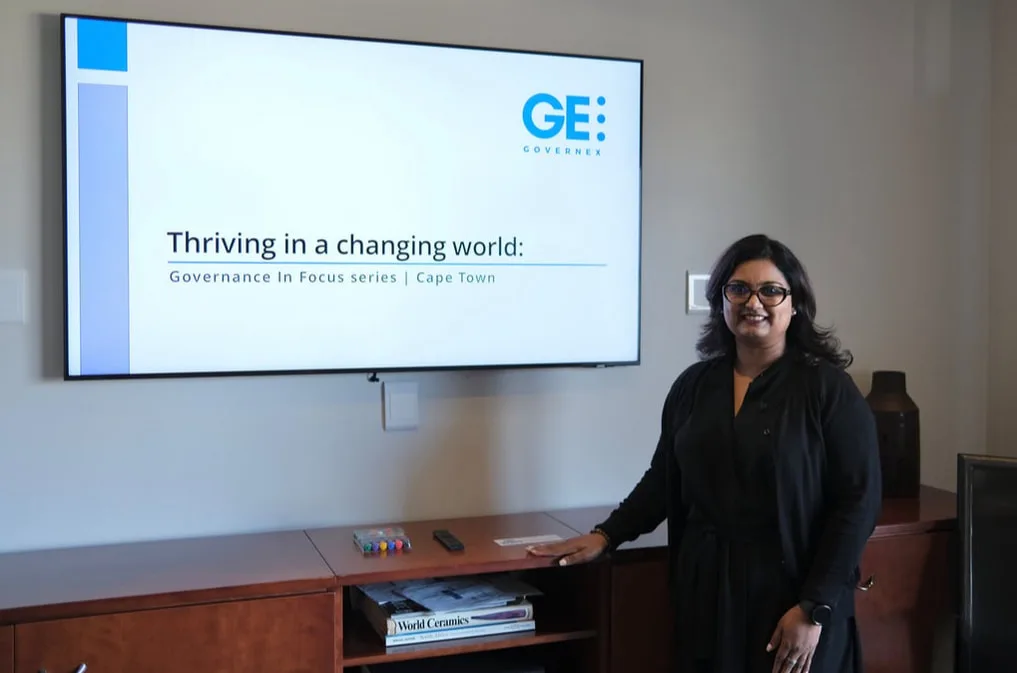
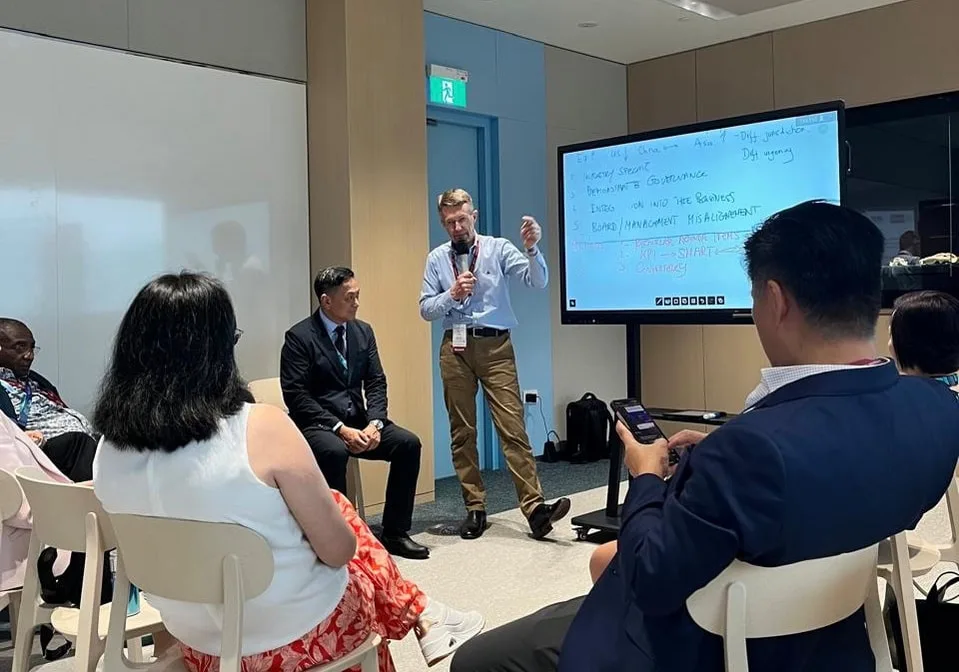
    The pictures below provide a glimpse into the places, people and interactions I have been privileged to experience in 2025. Many other interactions took place too, but they were private and cannot be shared.
    Now, and for the next couple of weeks, I shall turn my mind to reading(*) and relaxing, family, and tending my vegetable garden. 
    (*) Watch for a separate muse, to be posted on Monday 22 December, which will include the titles of the books I intend to read over the Christmas and summer break, and into 2026.
    Picture
    Vilnius, Lithuania
    Picture
    London, UK; Port of Spain, Trinidad and Tobago; Tauranga, New Zealand—from home office (!)
    Picture
    Singapore, Singapore
    Picture
    Tauranga, New Zealand
    Picture
    New York, United States of America
    Picture
    Cape Town, South Africa
    Picture
    Singapore, Singapore
    Picture
    Auckland, New Zealand
    Picture
    Singapore, Singapore
    Picture
    Johannesburg, South Africa
    Picture
    Boston, United States of America
  • Published on

    On high-performing boards: unlocking potential

    Picture
    Have you ever stopped to wonder why so many companies fail to realise the potential they aspire to?
    When I speak with directors, the desire to operate at high levels of performance is palpable. In my experience, most say they aspire to have a great impact. But when one looks more closely, a great many boards struggle to break the shackles of average: they are constrained by confusion over the role of the board, impaired by dysfunction within the boardroom, and/or expectations are misaligned.
    A recent survey (conducted by PwC) highlights the characteristics of high-performing boards:
    • strong and effective leadership from the chair
    • strategic vision and focus
    • proactive engagement
    • culture of trust and collaboration
    • pragmatism and responsiveness
    • focus on high-performance [mindset and teamwork]
    • awareness of stakeholder expectations
    • cool in a crisis
    This is quite a list! Yes, it is. But most of these characteristics are consistent with the findings from ground-breaking board research conducted over a decade ago. That research concluded that if the board is to have any impact beyond the boardroom (especially on firm performance), three things matter: 
    • capability (what directors 'bring')
    • activity (what the board does)
    • behaviour (how directors act and interact)
    Board structure and composition is relatively less important, to the point of being insignificant. This finding (now known as the Strategic Governance Framework, see this article for a summary) emerged from a peer-reviewed long-term observation study of boards going about their work—one of a small handful conducted to date. As with studies conducted by the late Jane Goodall, my study sought to get as close as possible to the subject of interest (the board) to observe them in their 'native' habitat. That meant direct observations, for the board only exists when the directors meet.
    Since that time, the Strategic Governance Framework has shown itself to be a useful mechanism to help ambitious boards move beyond orthodoxy and box-ticking, to realise organisational potential. But the embrace of such a mechanism is not without its challenges: it means stepping away from the perceived safety of 'best practice' recommendations—a daunting prospect of some. 
    Ultimately, boards must decide: is compliance with contemporary recommendations, codes and regulations sufficient to discharge duties owed, or is more required? For those who decide more is required, the Strategic Governance Framework ​may be worthy of consideration.
  • Published on

    Netflix: What went wrong?

    Picture
    Over the years since it was founded by Marc Randolph and Reed Hastings (in 1997), Netflix has been at the forefront of entertainment and innovation. Initially a rental service, the company introduced a streaming option in 2007 and, as they say, the rest is history.
    The company has also garnered attention for its innovative approach to corporate governance—one based on proximity more so than distance. I wrote about it several years ago. The approach, founded on governance by walking about and pragmatic reports, ensured directors were adequately informed to make smart decisions. 
    But that was then. Now, eight years on, things have changed somewhat.
    Jay Hoag, a venture capital investor, was voted off the board recently, after pressure was applied by Institutional Shareholder Services, a data analytics and proxy advisory firm. It turns out Hoag missed three quarters of the board and committee meetings he should have attended. Given the Netflix board usually meets quarterly, it follows that Hoag attended once per year. Quite how anyone can contribute well if they don't attend meetings, is beyond comprehension. 
    That shareholders have taken a stand on the matter is laudable. Well done ISS, for bringing Hoag's absenteeism to the attention of shareholders. But other questions remain:
    • What confidence can shareholders have if the board only meets quarterly, and in directors who  seemingly turn a blind eye to chronically absent colleagues?
    • What of accountability and board effectiveness? When was the last board/governance assessment completed, and was it any more than a cursory exercise?​​
    If boards are to have any hope of governing with impact, all of the directors need to be appropriately engaged (capable and​ present). Ideally, the board should adopt a robust governance framework too, to expedite effective steerage and guidance. How does your board stack up in this regard?
  • Published on

    The [high] value of white space

    Picture
    When was the last time you stopped and thought about your work, your contribution and the value you offer others? Are you adding value, or simply occupying space? 
    Most leaders say taking time for self-reflection and to think is important, if high performance is to be sustained. But many do not follow through. Instead, they remain 'on': making lists, completing tasks, checking emails, and responding to social media feeds—all in the name of getting things done. Some even speak, proudly, of workaholism and busyness. Such behaviour is lauded in many modern societies. But is 'always on' and busyness conducive to high performance? Or is it a delusion? What of personal and professional relationships; of curiosity; of gaining new insights; of becoming a better person?
    Allocating uninterrupted time—white space—for reflection, thinking and dreaming is critical if organisational leaders (especially board directors!) are to have any hope of contributing well. 
    The idea of dedicated white space was an anathema for me through the first half of my career. But as I got underway with my doctoral research (circa 2012), something changed. Gradually, the guilt I felt when stepping away from my desk when I was stuck subsided: the act of changing neural activity (from sitting staring at a problem, to going for a walk or riding my bike) often had the effect of helping clear the mental block I had been struggling with!
    Since completing my doctoral research in 2016, I continued to prioritise white space, as follows:
    • Early morning (0530–0700, six days per week), to read inspirational texts, news feeds and topical articles.
    • Daily walks, to activate my cardiovascular and musculoskeletal systems.
    • Evening (a 60-minute block before retiring for the night, at least five nights per week), to read what a close friend calls 'brainy books'—books on philosophy, psychology, neuroscience, human nature, history and trekking, but also the 'great books'. 
    • Long-haul flights have become precious white spaces too, because I am left alone to do what you want. I keep a pencil and paper to hand, and record my thoughts (often my best ideas!)
    None of this makes me good, or any better than anyone else. However, my dedication to allocating white spaces and holding them sacrosanct has seen me become more curious. My mind seems to have become more malleable too. Hopefully, my contributions have become more valuable as a result—but this is best assessed by others, not me. 
    Does the idea of white space resonate for you? If so, would you mind sharing your experiences, so others can benefit from them?